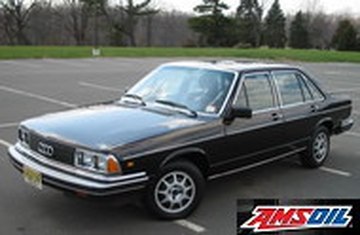
Lubrication Maintenance for the 1981 Audi 5000 2.2L
Maintaining the engine lubrication system in a vehicle like the 1981 Audi 5000 with the 2.2L [C] WK Turbo engine requires consistent attention to detail. Because this specific powerplant utilizes turbocharging, the thermal environment and the demands placed on the lubricant are significant factors for any owner or technician to consider during routine service intervals.
Monitoring Engine Fluid Integrity
A primary component of long-term engine health is the regular observation of fluid conditions. For an engine of this era, checking the oil level and its physical appearance can provide important clues regarding the internal state of the motor. When performing a visual check, look for any signs of discoloration or unusual textures in the lubricant. While some degree of darkening is expected as oil undergoes thermal cycles, extreme changes may warrant closer investigation.
It is also prudent to inspect the area surrounding the engine for any evidence of seepage. Over time, various gaskets and seals can experience changes in elasticity due to heat and age. If you notice wetness or residue on the engine block or near sealing surfaces, it should be addressed to prevent further loss of lubricant. Identifying these small amounts of seepage early can help maintain proper fluid levels and prevent more significant issues down the road.
Observing Potential Warning Signs
Drivers should remain attentive to how the vehicle behaves during operation. While many mechanical issues can be subtle, certain symptoms are worth investigating immediately. For example, if you notice an unusual odor that seems related to heat, it may indicate that lubricant is contacting a hot engine component. Similarly, any changes in the way the engine sounds—such as new or persistent mechanical noises—should be evaluated by a professional.
If the vehicle displays any dashboard indicators related to oil levels or pressure, do not ignore them. These signals are critical prompts that require immediate attention. It is also helpful to monitor for any changes in exhaust characteristics; while many factors can influence exhaust appearance, sudden changes should be noted and investigated as part of a comprehensive diagnostic approach.
Prioritizing Maintenance Based on Condition
As vehicles age, the most effective way to manage maintenance is to prioritize tasks based on the actual current condition of the machine rather than relying solely on chronological age. For an owner of a 1981 Audi 5000, this means establishing a baseline of what is currently functioning correctly and what shows signs of wear.
If you are stepping into ownership without a complete service history, your first priority should be to review any available maintenance records. If no records exist, performing a thorough inspection of all fluids, filters, and aging components can help create that necessary baseline. Once this baseline is established, you can distinguish between essential preventive maintenance—such as regular oil changes—and the replacement of parts that are still in good working order. Addressing active leaks or addressing overdue service items should always take precedence over non-essential cosmetic or secondary repairs.
Managing Aging Engine Components
The components within an engine bay undergo significant stress from heat and vibration. When maintaining a vehicle from the early 1980s, it is useful to inspect various peripheral systems that support the engine's operation. This includes checking the condition of accessible hoses and belts, if equipped, for signs of cracking, glazing, or fraying. Even if a component appears functional, a visual inspection can help identify materials that are beginning to lose their structural integrity.
Furthermore, electrical connections and wiring harnesses should be checked for signs of brittleness or corrosion. Ensuring that sensors and connectors remain clean and securely seated is vital for the accurate operation of engine management systems. By combining these routine inspections with regular lubrication service, you can better manage the long-term health of the 2.2L turbo engine.
The Role of High-Mileage Formulations
For engines that have accumulated significant distance, some owners consider different lubricant types. Some high-mileage oil formulations contain additives intended for use in aging engines. These specialized lubricants may include seal-conditioning additives designed to help maintain the integrity of various gaskets and seals. While these are not a substitute for repairing active leaks, they can be a consideration during your next service interval if you are managing an older engine with high mileage.
Practical Steps for Buying Engine Oil for your 1981 Audi 5000 2.2L
When it is time to replenish your lubricant, the most important step is to ensure that the product you select matches the specific requirements of your engine. Because this vehicle features a turbocharger, using an oil that meets the correct application standards is essential for managing the unique thermal demands of the system.
To ensure accuracy, do not rely on general automotive knowledge or assumptions based on the vehicle's age to select a viscosity. Instead, match the engine oil to the application-specific viscosity information already displayed on this webpage. Before finalizing your purchase, always check the product labeling to verify that the oil meets the appropriate API certifications and quality standards. Whether you choose a conventional, synthetic blend, or full synthetic formulation, the priority must remain on following the specific guidance provided in the technical application data for this 1981 Audi 5000.